Data Collection Methods from Telecom Operators: A Guide for Regulators
Effective regulation of the telecom industry depends on the ability of regulators to collect accurate and timely data from telecom operators. This data provides the foundation for monitoring compliance, ensuring service quality, detecting fraud, and safeguarding consumer rights. However, collecting this data is not always straightforward. It requires a well-defined approach and the right tools to ensure that regulators receive the necessary information without disrupting the operators’ day-to-day operations. In this blog post, we’ll explore the various methods telecom regulators use to collect data from operators and how these methods contribute to effective regulatory oversight.
Direct Data Feeds
Direct data feeds are one of the most common and efficient methods for regulators to collect data from operators. This involves setting up automated systems that transmit data directly from the operator’s network to the regulator’s data center. Key aspects of this method include:
- Real-Time Data Transmission: Data is transmitted in real-time or near real-time, allowing regulators to monitor network performance, service quality, and usage patterns as they happen.
- Secure and Encrypted Channels: To ensure data integrity and confidentiality, direct data feeds are typically transmitted over secure and encrypted channels like SFTP over a VPN tunnel. This prevents unauthorized access and ensures that sensitive information remains protected.
- Scalable Infrastructure: As the volume of data grows with the increasing number of subscribers and services, direct data feeds require scalable infrastructure to handle the data load without disruptions.
This method is ideal for collecting data such as Call Detail Records (CDRs), network performance metrics, and financial transactions in mobile money services.
Application Programming Interfaces (APIs)
APIs provide a standardized way for telecom operators and regulators to exchange data. By using APIs, regulators can request specific data sets from operators in a controlled and secure manner. The benefits of using APIs include:
- Flexible Data Access: APIs allow regulators to request data as needed, rather than relying on bulk data transfers. This flexibility helps in obtaining the most relevant data for specific regulatory needs.
- Real-Time and Batch Processing: APIs can be used for both real-time data access and batch processing, depending on the requirements. For example, real-time APIs can be used for monitoring live network performance, while batch APIs can handle periodic data submissions such as monthly revenue reports.
- Standardization and Interoperability: Using standardized API protocols ensures that data can be easily integrated with the regulator’s systems, regardless of the operator’s internal systems.
APIs are commonly used for accessing CRM data, billing information, and service usage statistics.
Data Extraction from Reporting Tools
Many telecom operators use sophisticated reporting tools to manage their operations. Regulators can leverage these tools to extract data by:
- Access to Operator Dashboards: Regulators may be given access to certain dashboards within the operator’s reporting tools. This allows them to view predefined reports and analytics without needing direct data feeds.
- Custom Report Generation: Operators can generate custom reports based on the regulator’s specifications. These reports can include details on service quality, customer complaints, or financial transactions, and are often submitted on a regular basis, such as monthly or quarterly.
- Scheduled Data Exports: Automated scheduling can be set up to export data from the operator’s reporting tools at regular intervals. This ensures that regulators receive consistent and up-to-date information without manual intervention.
This method is useful for collecting summary data, financial reports, and performance analytics.
Probes and Network Monitoring Systems
Probes and network monitoring systems are hardware or software tools installed within the telecom network to capture and analyze traffic. Regulators can use these systems to independently collect data on:
- Network Performance: Probes can monitor key performance indicators (KPIs) such as call quality, data speeds, and network availability. This data is crucial for ensuring that operators meet the required quality of service standards.
- Service Usage Patterns: By analyzing traffic data, regulators can gain insights into how different services are being used, helping them to understand consumer behavior and usage trends.
- Fraud Detection: Network monitoring tools can detect suspicious patterns, such as unusual call routing or unauthorized network access, which may indicate fraudulent activities.
While effective, this method requires careful coordination with operators to avoid interference with network operations.
Data Submission Portals
Data submission portals are secure online platforms where operators can upload required data files for regulatory compliance. This method is particularly useful for structured data submissions, such as:
- Monthly or Quarterly Reports: Operators submit detailed reports on revenue, network performance, and service quality at predefined intervals. These reports are formatted according to regulatory requirements and are used for compliance monitoring.
- Incident Reports: In the event of significant network outages or security incidents, operators can submit incident reports through these portals, providing regulators with detailed information on the nature and impact of the event.
- Self-Audits: Operators may be required to perform self-audits on specific aspects of their operations and submit the findings through the portal.
This method is straightforward and allows regulators to collect data without direct access to the operator’s systems.
On-Site Audits and Inspections
On-site audits and inspections involve regulators visiting the operator’s premises to review data and processes in person. This method is used for:
- Verification of Submitted Data: Regulators can verify the accuracy of data submitted through other methods by comparing it with the operator’s internal records.
- Process and System Audits: Audits can also include reviews of the operator’s data management processes and systems to ensure compliance with regulatory standards.
- Ad-Hoc Investigations: In cases where there are concerns about an operator’s compliance, on-site inspections allow regulators to conduct more thorough investigations.
While resource-intensive, this method provides a high level of assurance and is crucial for verifying data accuracy.
Closing Thoughts
The methods outlined above provide telecom regulators with a toolkit for effective data collection from operators. By leveraging a combination of these methods, regulators can ensure they have access to the comprehensive, accurate, and timely data needed to fulfill their oversight responsibilities. Each method has its strengths and can be chosen based on the specific regulatory requirements and operational context. As the telecom industry continues to evolve, regulators must remain agile and adaptable, continually refining their data collection strategies to meet new challenges and opportunities.
Join Our Upcoming Webinar: Mastering Telecom Data Collection for Smarter Decisions
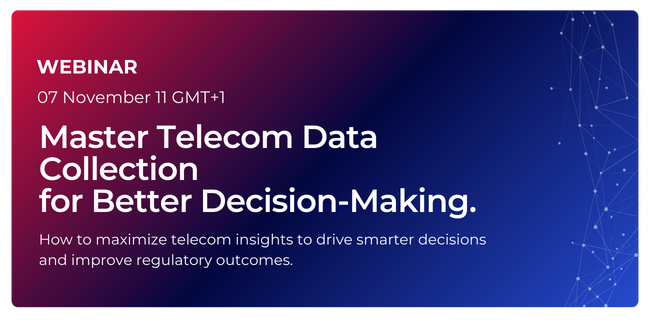
Want to learn more about how telecom data can drive better decision-making for regulators? Join our insightful webinar where we will guide you through best practices and strategies for telecom data collection and insights.
Key Topics:
- Best practices for data collection and integration.
- How to use data insights to improve decision-making and customer experience.
- Real-world examples of regulatory success stories.
📅 Date: November 7th, 2024
⏰ Time: 11:00 AM UTC+1
🌐 Platform: Zoom (with French subtitles available)