The Ultimate Guide to Different Types of Telecom Data: From OSS to KYC
In the telecom industry, data is generated in massive volumes every second, powering everything from voice calls and text messaging to mobile payments and customer management systems constituting the backbone of every decision, strategy, and service. With a variety of data sources ranging from network performance to customer identity, telecom operators and regulators have a wealth of information at their disposal. But to exploit its full potential, it’s essential to understand the different types of telecom data, how they are collected, and their role in enhancing network quality, detecting fraud, and boosting customer retention.
This guide will explore the different types of telecom data — Voice, SMS, Data, USSD, OSS, Charging, Billing, CRM, Mobile Money, and KYC — their significance in the telecom ecosystem and highlight their importance in today’s digital era.
Understanding Telecom Data: The Building Blocks
Telecom data can be broadly categorized into different types, each serving a unique purpose and offering valuable insights. Here’s a breakdown of the key types:
- Voice Data (CDR – Call Detail Records): Voice data captures details about every call made or received on a network. This includes information like caller and called numbers, call duration, timestamp, and cell ID. By analyzing this data, operators can monitor call quality, identify peak usage times, ensure accurate billing, track call traffic for network optimization and even detect anomalies that might indicate fraudulent activity. For regulators, it offers insights into service quality (e.g., call drop rates) and compliance with call routing standards.
- SMS (Short Message Service) Data: Similar to voice data, SMS data tracks the sending and receiving of text messages. It includes details like the sender and receiver numbers, message length, delivery status (e.g., delivered, failed, or pending) and timestamp. SMS data is crucial for understanding user communication patterns , especially for regions with limited internet access. Operators analyze SMS data for service monitoring, marketing, and customer engagement, while regulators can use it to track compliance with messaging standards and detect potential misuse, such as spam or fraud.
- Data Usage Records (Internet Usage): Data usage records provide insights into how customers are using mobile internet services. This data includes information on session duration, Data usage volumes (measured in MB/GB), browsing behavior, the type of content accessed , and streaming patterns. For telecom operators It’s instrumental in optimizing network capacity, identifying data-hungry applications. They use data consumption patterns to tailor data plans, manage network traffic, and and ensuring a smooth browsing experience for users. Regulators, on the other hand, monitor mobile data to ensure fair usage policies and prevent network congestion.
- USSD (Unstructured Supplementary Service Data) Data: USSD is a real-time session-based protocol used primarily for services like balance checks, bundle activation, mobile money, mobile banking, prepaid services and menu-based applications. It involves short code communications between the user’s device and the telecom operator’s systems. USSD is crucial for understanding customer interaction with various services and delivering quick, low-cost services, especially in areas with limited internet access. For regulators, USSD data can be used to monitor mobile money services, check compliance with mobile banking regulations, and assess service accessibility for underserved regions.
- OSS Data (Operations Support Systems): OSS data refers to the systems and processes that telecom operators use to manage and monitor the technical performance of their networks. It includes metrics like signal strength, network congestion, and equipment status. This data is vital for network optimization, as it helps operators maintain network integrity, manage repairs, and optimize performance. For regulators, OSS data provides insights into how efficiently an operator is managing its network and adhering to industry standards on network reliability.
- Charging Data: Charging data keeps track of how services (such as calls, data, and SMS) are charged to customers. It includes information on prepaid and postpaid charges, data packages, and service subscriptions and Discounts or promotional rates. This data ensures accurate billing Charging data ensures that operators bill their customers accurately and is essential for revenue assurance and preventing fraud, such as unauthorized service usage. Mismanagement of this data can lead to overbilling, undercharging, or fraud. Regulators use charging data to ensure transparency in pricing and detect potential revenue leakages.
- Billing Data: Billing data goes hand-in-hand with charging data but includes more detailed customer transactions and payments information. It provides a comprehensive view of a customer’s service usage, invoices, account balances, late payment penalties and payment history. Analyzing billing data helps in detecting discrepancies, ensuring accurate revenue collection, and identifying customers who might be at risk of churn due to billing issues. It also helps regulators track consumer complaints related to billing inaccuracies and ensures that operators follow billing guidelines and pricing transparency.
- CRM Data (Customer Relationship Management): CRM data includes all customer-related information collected by telecom operators. This data includes customer profiles (e.g., name, contact details), service preferences (e.g., active plans, purchases), and interaction history e.g., customer support calls, feedback). CRM data helps telecom operators building a 360-degree view of the customer, enabling personalized marketing, improving customer service, managing complaints, identifying opportunities for cross-selling and upselling. and enhance customer retention. For regulators, CRM data is useful for monitoring consumer rights, ensuring operators address complaints in a timely manner, and checking compliance with data privacy regulations.
- Mobile Money Data: Mobile money data is generated through mobile-based financial transactions, including, transaction logs, balance updates and Sender and receiver details. With the rise of digital payments, mobile money data has become increasingly important. It tracks transactions like money transfers, bill payments, and purchases made using mobile wallets. Mobile money services are critical in regions where traditional banking infrastructure is limited. Mobile money data helps telecom operators and regulators , understand consumer spending habits ensure financial transparency, prevent fraud, and protect users from scams. It also plays a role in financial inclusion, allowing regulators to track the availability and accessibility of mobile financial services
- KYC Data (Know Your Customer): KYC data involves the personal identification information of subscribers, such as names, addresses, and national IDs. This data , preventing fraud, and ensuring that services are not misused. KYC processes is critical for regulatory compliance, preventing identity fraud, money laundering, and the use of telecom services for illicit activities. It also plays a significant role in customer verification and ensuring the security of financial transactions. Telecom operators use KYC data to ensure compliance with legal regulations, while regulators rely on this data to monitor telecom operator adherence to anti-fraud and anti-money laundering laws
How Telecom Data Drives Network Quality, Fraud Detection, and Customer Retention.
- Enhancing Network Quality: By integrating OSS data with voice, SMS, and data usage records, operators can get a real-time view of network performance. This holistic view allows them to proactively address issues like network congestion, call drops, and slow internet speeds, ensuring a high-quality experience for users.
- Detecting and Preventing Fraud: Fraudulent activities such as SIM box fraud, identity theft, and unauthorized access can be detected by cross-referencing various data sources. For example, unusual patterns in voice or SMS data, combined with USSD and mobile money records, can signal potential fraud, allowing operators and regulators to take swift action.
- Improving Customer Retention: CRM and billing data provide insights into customer behavior and satisfaction. By analyzing this data, operators can identify at-risk customers and address their concerns before they decide to leave. Personalized offers based on usage patterns and proactive issue resolution can significantly enhance customer loyalty.
- Compliance monitoring: OSS, charging, and CRM data offer regulators a clear view of whether operators are adhering to industry standards, such as meeting service quality thresholds and providing accurate billing information.
- Consumer protection: By monitoring service quality, analyzing customer complaints, and tracking service disruptions, regulators can proactively address issues that negatively impact consumers. This data-driven approach also ensures a fair marketplace where consumers are treated equitably.
- Revenue assurance: Mobile money and billing data allow regulators to track revenue streams within telecom networks, ensuring proper tax collection and minimizing leakages. This guarantees that governments and service providers both receive their due share.
Best Practices for Effective Telecom Data Collection
- Standardization: Use standardized formats and protocols for data collection to ensure consistency and ease of integration across different systems and platforms.
- Real-Time Monitoring: Implement real-time data collection and monitoring systems to detect issues as they happen, enabling faster response times.
- Data Privacy and Security: Ensure that all data is collected, stored, and processed in compliance with data privacy regulations. Implement strong encryption and access controls to protect sensitive information.
- Collaboration with Stakeholders: Work closely with telecom operators, financial institutions, and technology providers to ensure seamless data collection and integration. Collaboration can help identify new data sources and enhance data quality.
Closing Thoughts
Telecom data is a powerful resource that can transform the way regulators and operators manage networks, detect fraud, and engage with customers. By understanding the different types of data—from OSS to KYC—and leveraging them effectively, the telecom industry can deliver better services, ensure compliance, and create a safer, more satisfying experience for consumers. As telecom networks continue to evolve, so too must our approach to data collection and analysis, paving the way for a smarter, more connected future.
Join Our Upcoming Webinar: Mastering Telecom Data Collection for Smarter Decisions
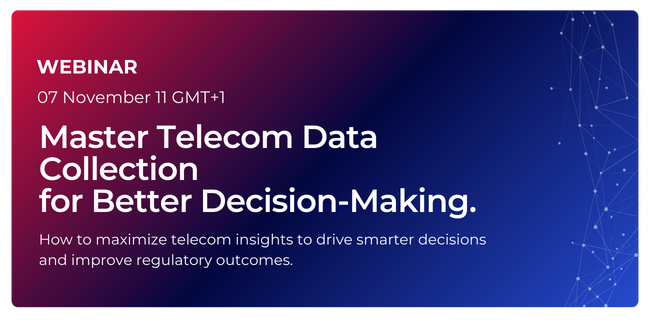
Want to learn more about how telecom data can drive better decision-making for regulators? Join our insightful webinar where we will guide you through best practices and strategies for telecom data collection and insights.
Key Topics:
- Best practices for data collection and integration.
- How to use data insights to improve decision-making and customer experience.
- Real-world examples of regulatory success stories.
📅 Date: November 7th, 2024
⏰ Time: 11:00 AM UTC+1
🌐 Platform: Zoom (with French subtitles available)